
Vibratory Disc Mill Systems
Fast, Reproducible Grinding for Analytical Sample Preparation
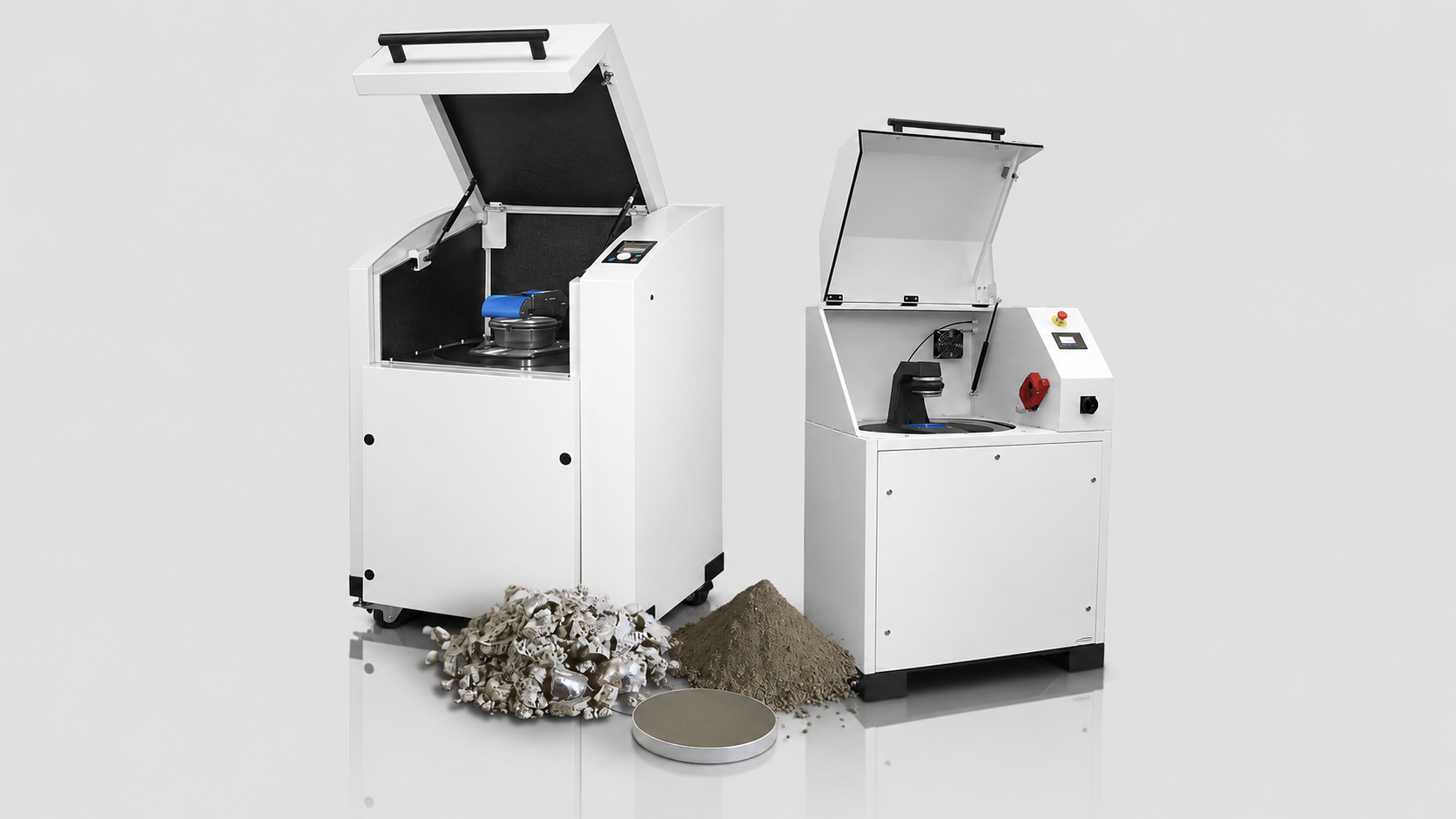
Vibratory Disc Mills provide exceptionally fast, reproducible preparation of medium-hard, hard, brittle, and fibrous materials for laboratory analysis and quality control. Designed primarily for preparing homogeneous samples for XRF, spectral, and other analytical methods, these powerful mills use intense pressure, impact, and friction to reduce materials to analytical fineness in just minutes. The closed grinding system helps prevent sample loss while producing consistent particle-size distributions across applications such as cement, minerals, ores, ceramics, glass, slag, soil, coal, and metal oxides.
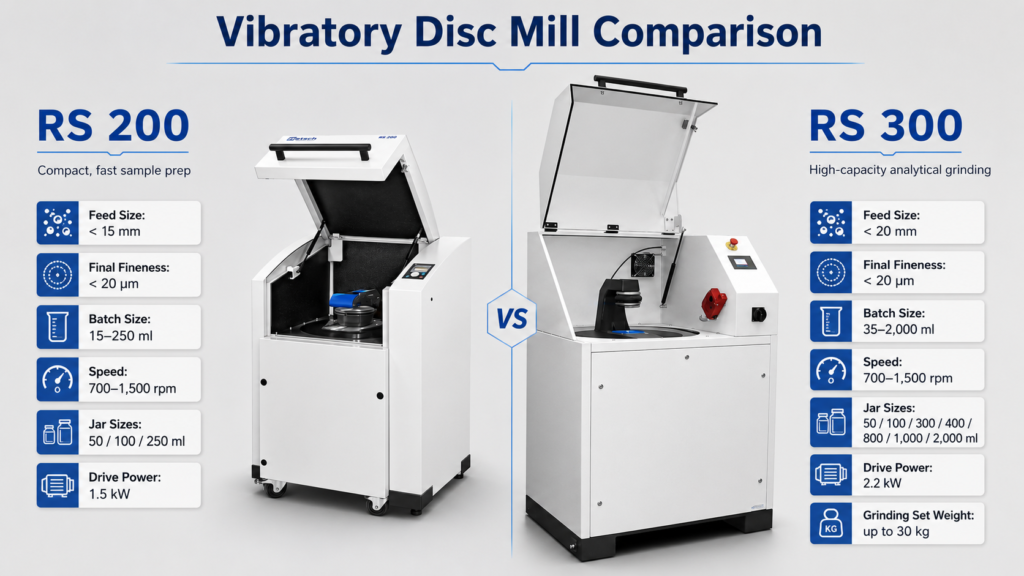
The compact RS 200 is ideal for routine laboratory sample preparation and processes batches up to 250 mL, while the high-capacity RS 300 accommodates grinding sets up to 2,000 mL for larger samples and increased throughput. Interchangeable grinding sets in multiple sizes and materials allow each system to be configured for specific sample properties, contamination requirements, and analytical objectives.
 Rugged Construction
Consistant Results
Easy to Clean
How Vibratory Disc Mills Work
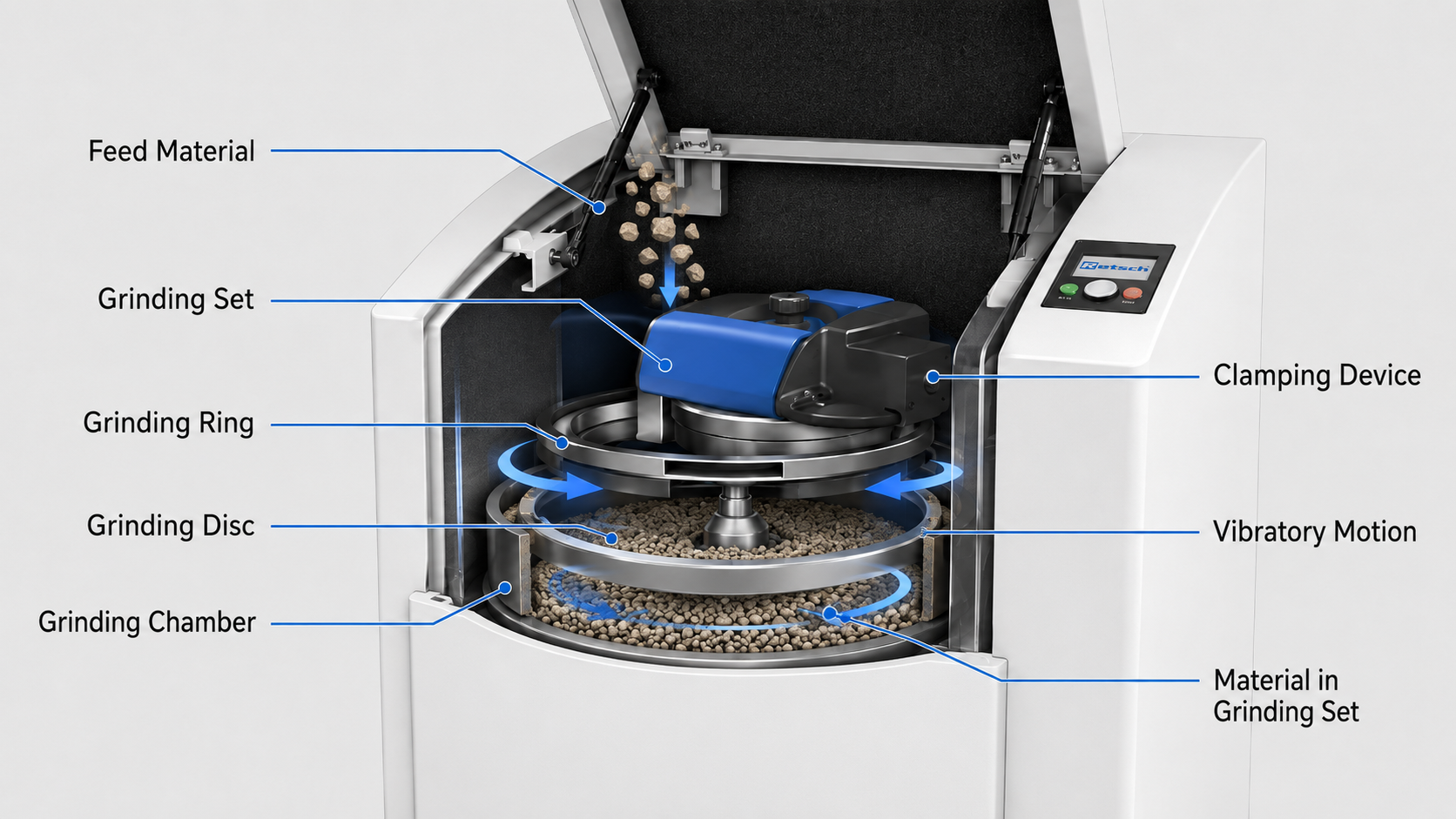
A vibratory disc mill reduces hard, brittle, and medium-hard materials by applying intense pressure, impact, and friction inside a closed grinding set. The sample is placed in a grinding bowl containing a grinding ring and grinding disc, then securely clamped into the mill.
During operation, the grinding set moves in a rapid circular vibrating motion, causing the ring and disc to press, roll, and strike the material repeatedly against the bowl surfaces. This high-energy movement quickly breaks the sample down into a fine, homogeneous powder while keeping all material contained inside the sealed grinding set.
The result is fast, reproducible sample preparation for applications such as XRF analysis, spectroscopy, quality control, and laboratory testing.
Application Examples
 Cement and Clinker Preparation
Mineral and Ore Analysis
Coal and Coke Testing
Ceramics and Refractories
Glass and Quartz Processing
Slag and Foundry Samples
Soil and Sediment Preparation
Metal Oxides and Pigments
Electronic and Battery Materials
Building and Construction Materials
Why Choose Vibratory Disc Mills
Rapid Sample Preparation
Highly Reproducible Results
Excellent for Analytical Work
Closed Grinding System
Handles Difficult Materials
Flexible Grinding Set Options
Common Vibratory Disc Milling Goals
Achieve Analytical Fineness
Produce a Homogeneous Sample
Improve Test Reproducibility
Reduce Preparation Time
Control Sample Contamination
Have a Material Challenge?
Tell us about your material and goals, and we’ll recommend the right solution.
RS 200
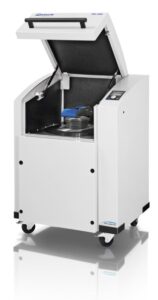
Feed material: medium-hard, hard, brittle, fibrous
- Material feed size*: < 15 mm
- Final fineness*: < 20 µm
RS 300
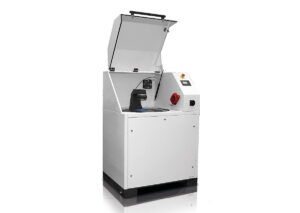
- Feed material: medium-hard, hard, brittle, fibrous
- Material feed size*: < 20 mm
- Final fineness*: < 20 µm
Additional Benefits
 Simple Operating Workflow
Low Sample Handling
Efficient Batch Processing
Easy Cleaning Between Samples
Suitable for High-Throughput Laboratories
Durable Laboratory Design
Why Start With Testing or Renting
Free Feasibility Testing
Test your material in our lab on the right disc mills. Receive data and recommendations at no cost.
Validate Before You Buy
Reduce risk with real data and expert recommendations.
Bridge Capacity Needs
Use tolling or rental systems to meet demand and scale with confidence.
GET MY GRINDING RECOMMENDATION
Tell us about your material and target result.
An application specialist can narrow the equipment family, identify missing process information, and recommend testing or a next step.
- Material and current form
- Starting and target particle size
- Batch size or throughput
- Temperature, purity, dust, and cleaning constraints